Hadoop for Beginners (2): Installing Hadoop
Before we can start our Hadoop journey we need to know how to install it. Later we'll experiment and learn across multiple Hadoop nodes; this post walks through the installation, which is quite simple.
547 posts
Before we can start our Hadoop journey we need to know how to install it. Later we'll experiment and learn across multiple Hadoop nodes; this post walks through the installation, which is quite simple.

Parallels Desktop loses network access on macOS Big Sur and can't connect USB devices, reporting "network initialization failed" and failing to attach USB to the VM. Here's the fix.

As the web has evolved, more sites are served over HTTPS. The discuz-ucenter-api-for-java library that connects Discuz's UCenter to Java runs into trouble over HTTPS: it's a very old project that hasn't been updated in ages and doesn't support HTTPS endpoints. So I updated it.

Newer DBeaver versions no longer support ODBC connections, probably because the JDBC-ODBC bridge was removed from Java 8. So the old tutorials telling you to use ODBC no longer work. Here's the correct way to connect DBeaver to DaMeng.
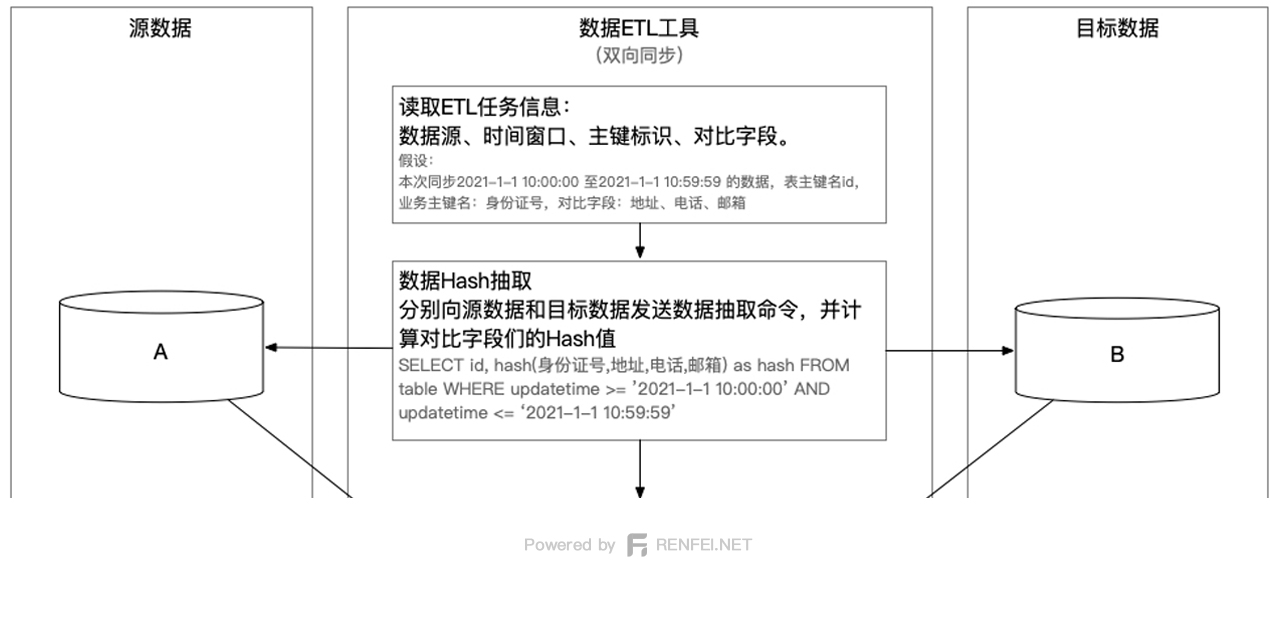
The original post derived two complements, CuB and CuA, from the first comparison, then pulled the real data for a second comparison. Applying this in production revealed that pulling the source data in the second comparison can be skipped, so I've corrected the ETL steps from that post.
MariaDB/MySQL is case-sensitive on Linux, so any mismatch in capitalization between your table or column names and your SQL throws errors. That's why we usually turn case sensitivity off first.
The previous big chapter covered the concept of a big data warehouse and how to think about building one. Now we start turning those ideas into reality. The foundation carrying all of it is the collection of big data components in the Hadoop ecosystem, which gradually becomes our data warehouse and platform.

In SQL, the LIKE operator searches for a specified pattern in a column inside a WHERE clause. It's a very common way to query in practice, and most people only use the % wildcard — but several other patterns are supported too.
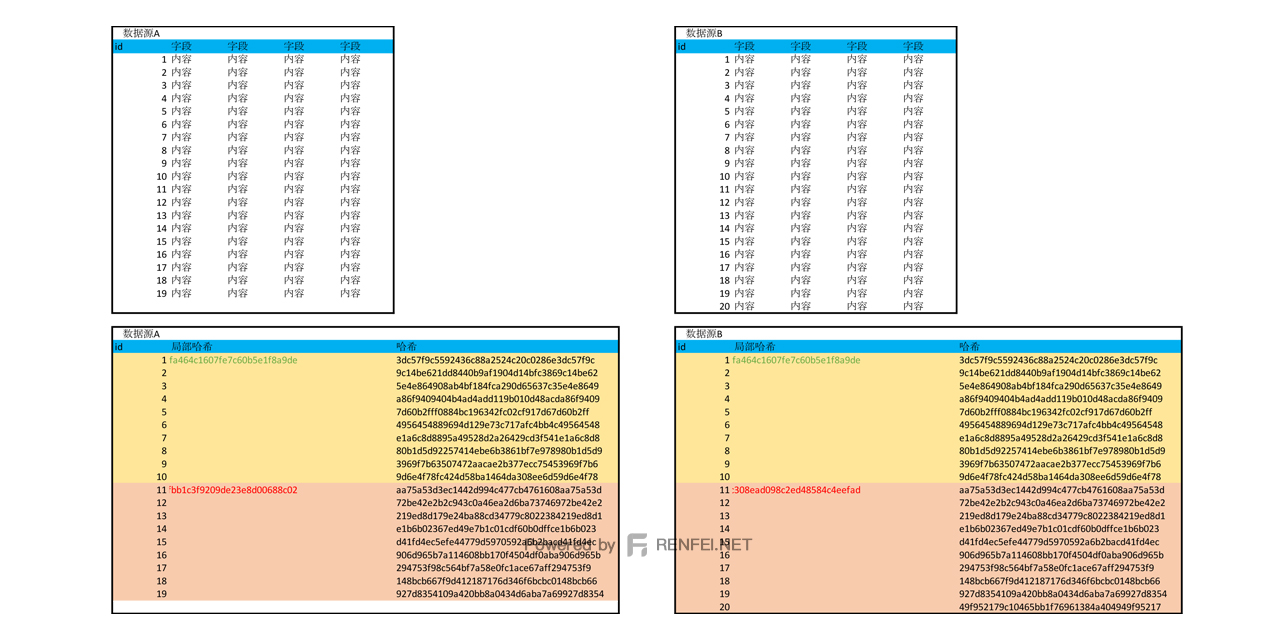
Last post hashed the digest of every field in each row, compressing dozens of fields into a single hash to speed up comparison. But that only compressed the fields — the row count stayed the same. With billions of rows we still can't find the changed records fast enough.
Last post covered fact tables, dimension tables, the star schema and the snowflake schema. Beyond those there's more industry jargon to learn. This post explains the big data slang: full tables, incremental tables, zipper tables, transaction tables, and snapshot tables. Some of it may not click yet — it will once you work with Hive — so take this as foundational knowledge.