Thanks to the JiHu team for putting this together so quickly. It’s only in internal beta, but I expect public beta soon so everyone can enjoy a China-hosted GitLab.
Shameless plug: I’m collecting photos of theJiHu community at https://jihulab.com/index.html/beautiful-lady-in-jihu — drop a free star if you like it.
Straight to the point. GitLab didn’t disappoint me, but it didn’t wow me either — it’s the straight-A student, solid but predictable. There’s almost no localization, so no pleasant surprises: powerful features, steep learning curve, incomplete Chinese translation. JiHu still has a long way to go on localization.
This is just my own experience after a month on the JiHu SaaS platform, personal tier only. Take it as one person’s opinion.
How JiHu Differs from GitLab
On the versioning side JiHu sits downstream of GitLab, so nearly everything GitLab has, JiHu has — JiHu is built by modifying GitLab EE. It’s operated independently of GitLab, meaning accounts aren’t shared and data is stored separately. JiHu data should live in China, which makes it fast.
What I Hoped For and Didn’t Get
Since JiHu claims to be a localized, independently operated platform, I expected Chinese documentation, an interface tuned to Chinese habits, and native integration with domestic cloud vendors. None of that landed. Let me compare it against products from domestic vendors and you’ll see why I was disappointed.
Both JiHu and GitLab are DevOps-first platforms, so that’s where the comparison matters most. I’ll use Tencent Cloud’s Coding and Alibaba Cloud’s Cloud效 (Alibaba Cloud DevOps) as the counterpoints, across DevOps, team management, and documentation.
DevOps Comparison
Short version: JiHu is still the honors student — it supports everything as long as you write the config file correctly, which is rough on beginners. Coding is the beauty queen: a gorgeous UI where you click your way through setup and it already knows what you want.
Suggestion for JiHu: build a template center, or a script marketplace, so newcomers can pick a template and be walked through a form instead. The academic GitLab crowd might not accept that, but a localized JiHu needs to look after less experienced devs and ops people in China. Most people want convenience, speed, and low cost — not a flex.
Coding vs. JiHu
Since Tencent Cloud acquired Coding, it’s deeply integrated with Tencent Cloud. If you run your services there, it feels great. Here’s why:
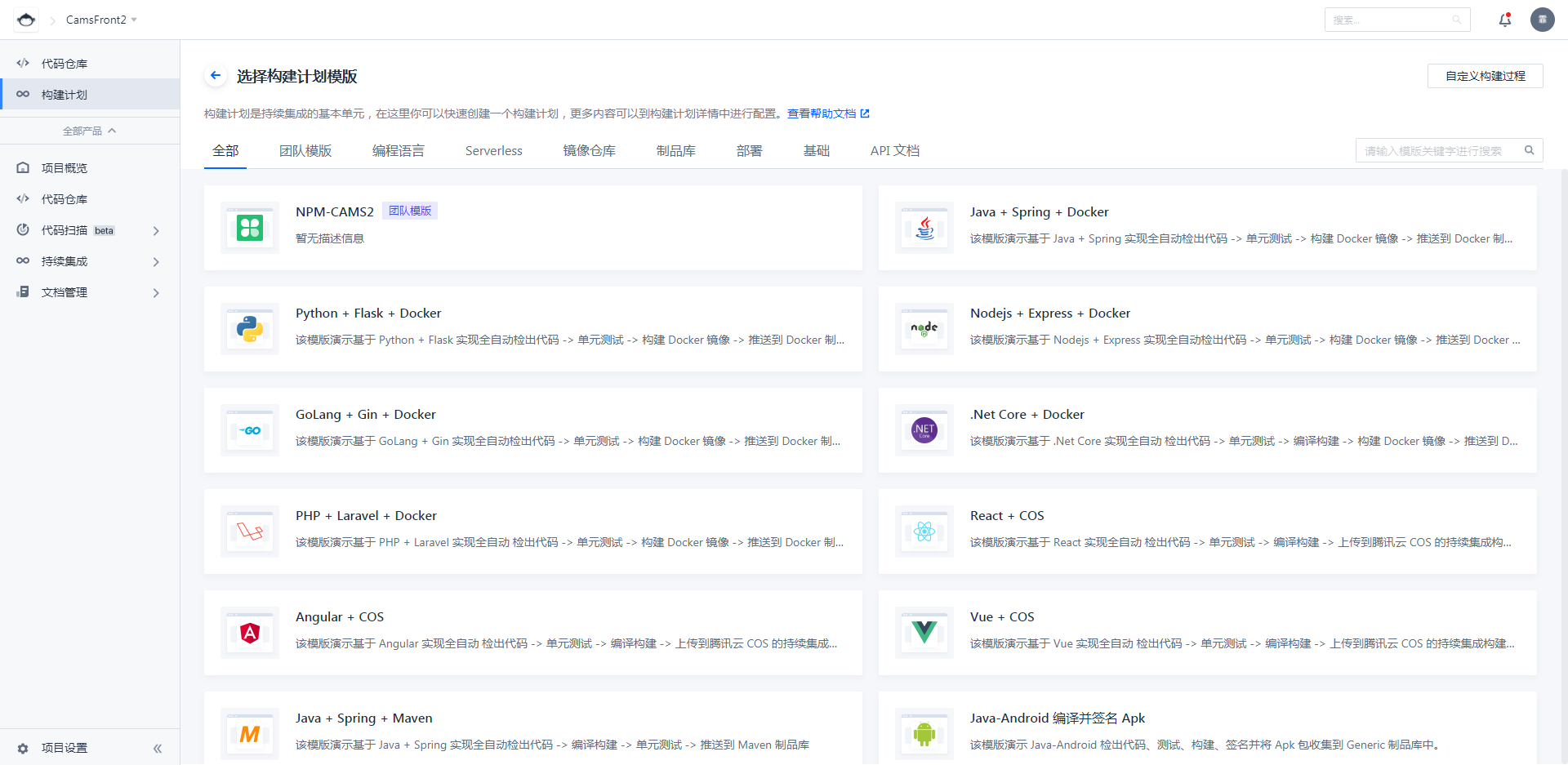
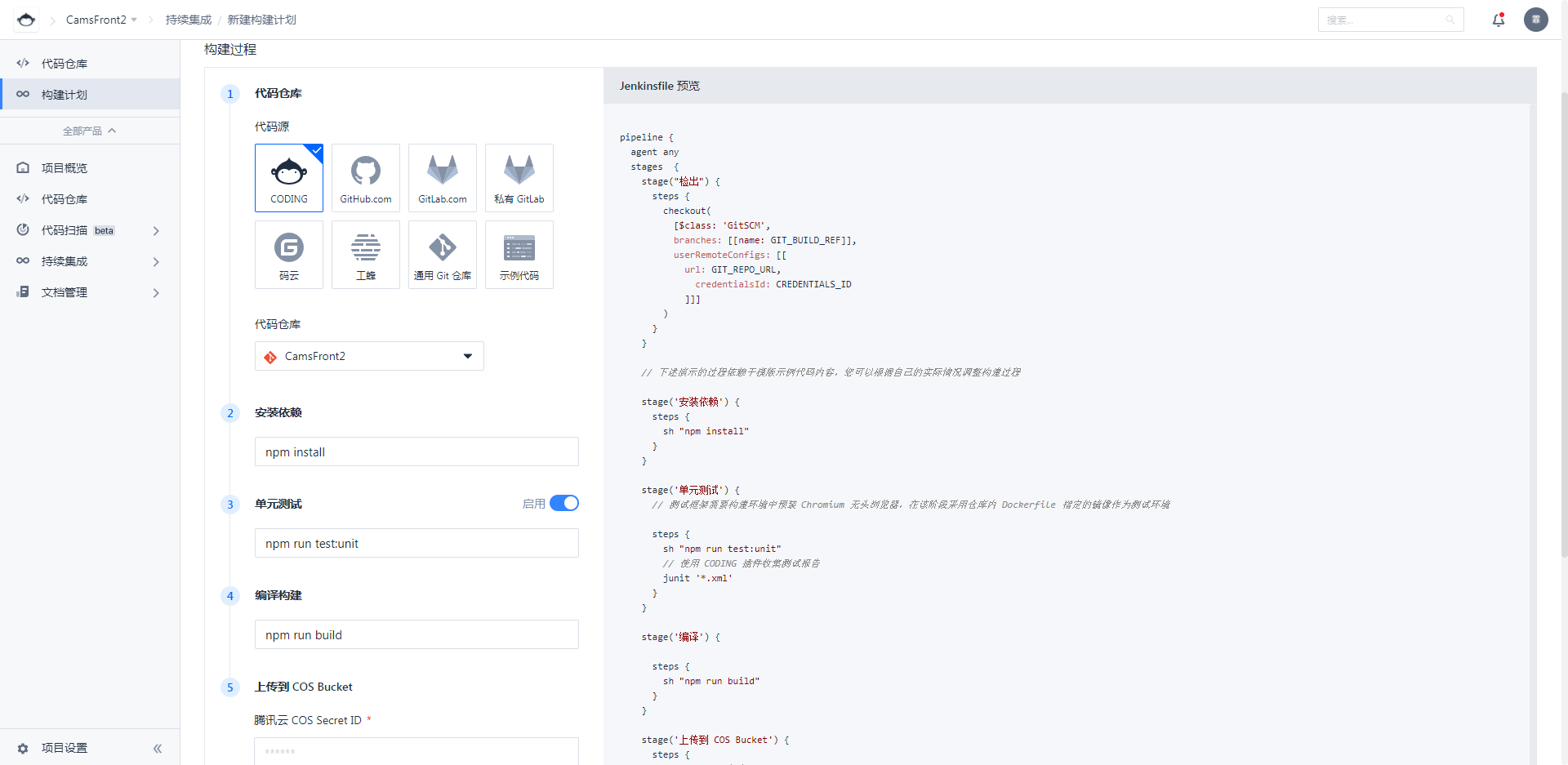
Coding’s DevOps flow offers templates up front covering all the common languages. Take a Vue project deployed to Tencent Cloud COS: pick the Vue+COS template, select the repo, enter your Tencent Cloud Secret Key, done. Barely any code changes, just clicking.
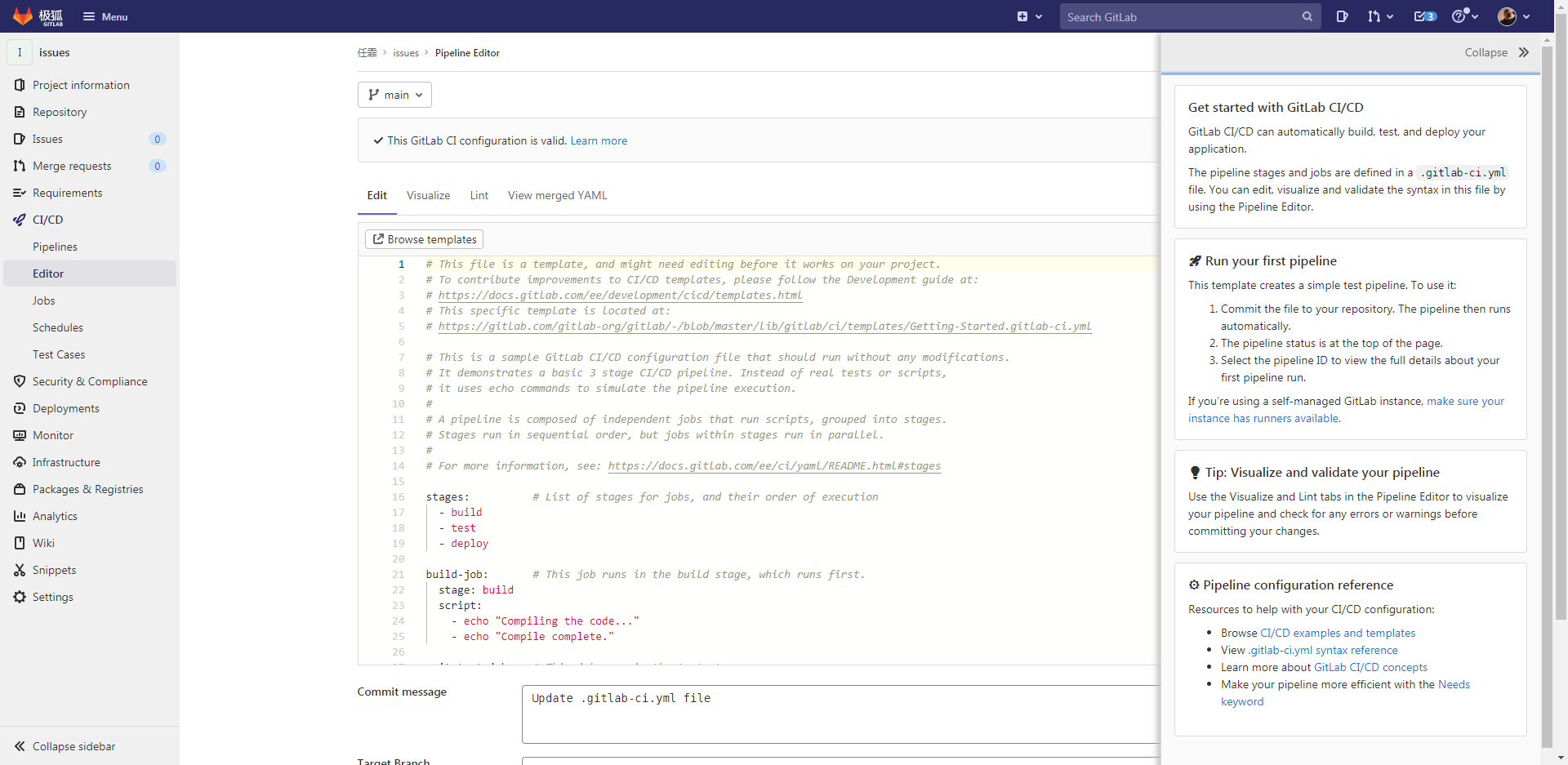
JiHu sticks to the GitLab standard with no localization changes: create a .gitlab-ci.yml file, start from a very basic template, and write the rest yourself.
Alibaba Cloud DevOps vs. JiHu
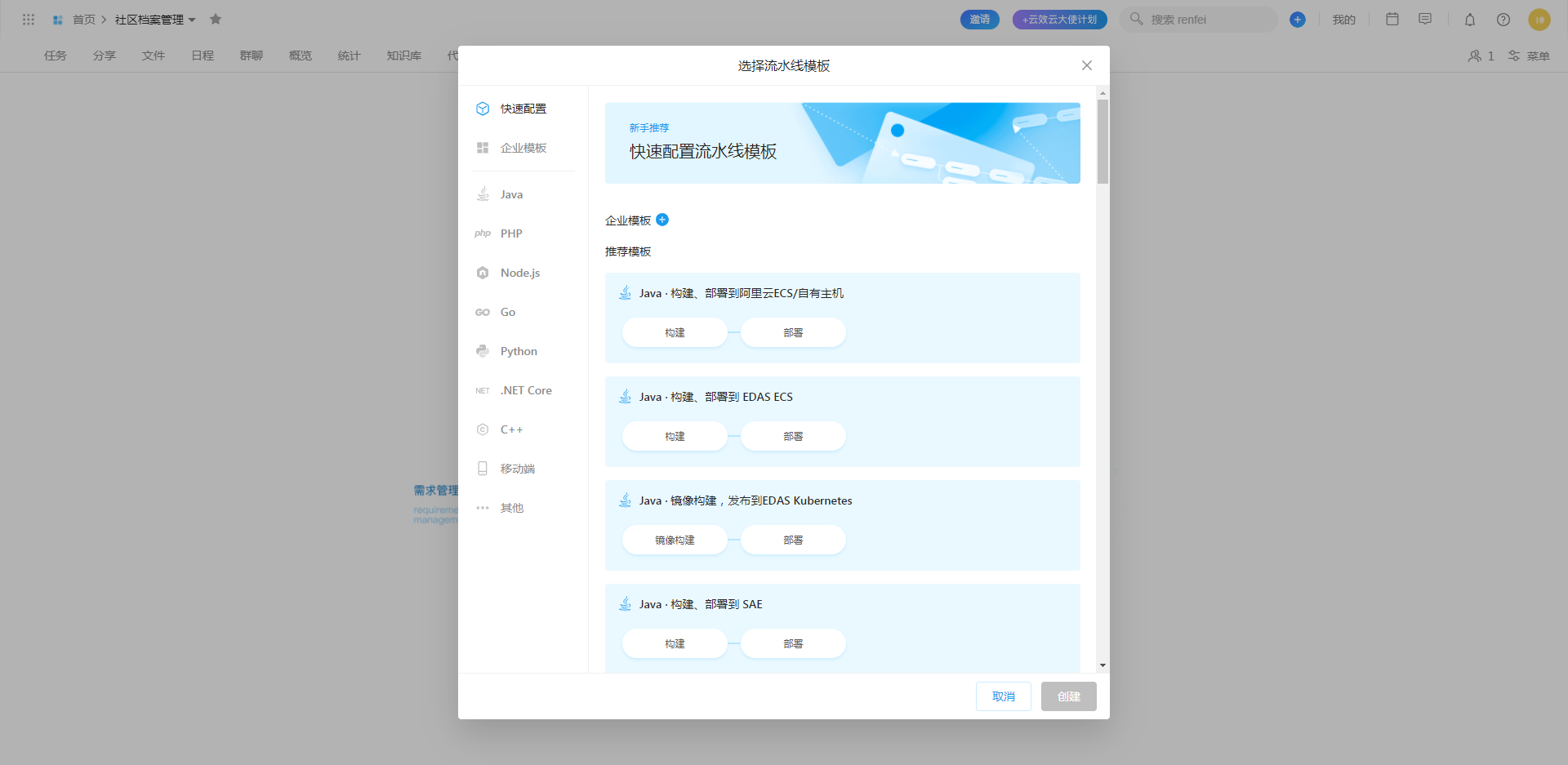
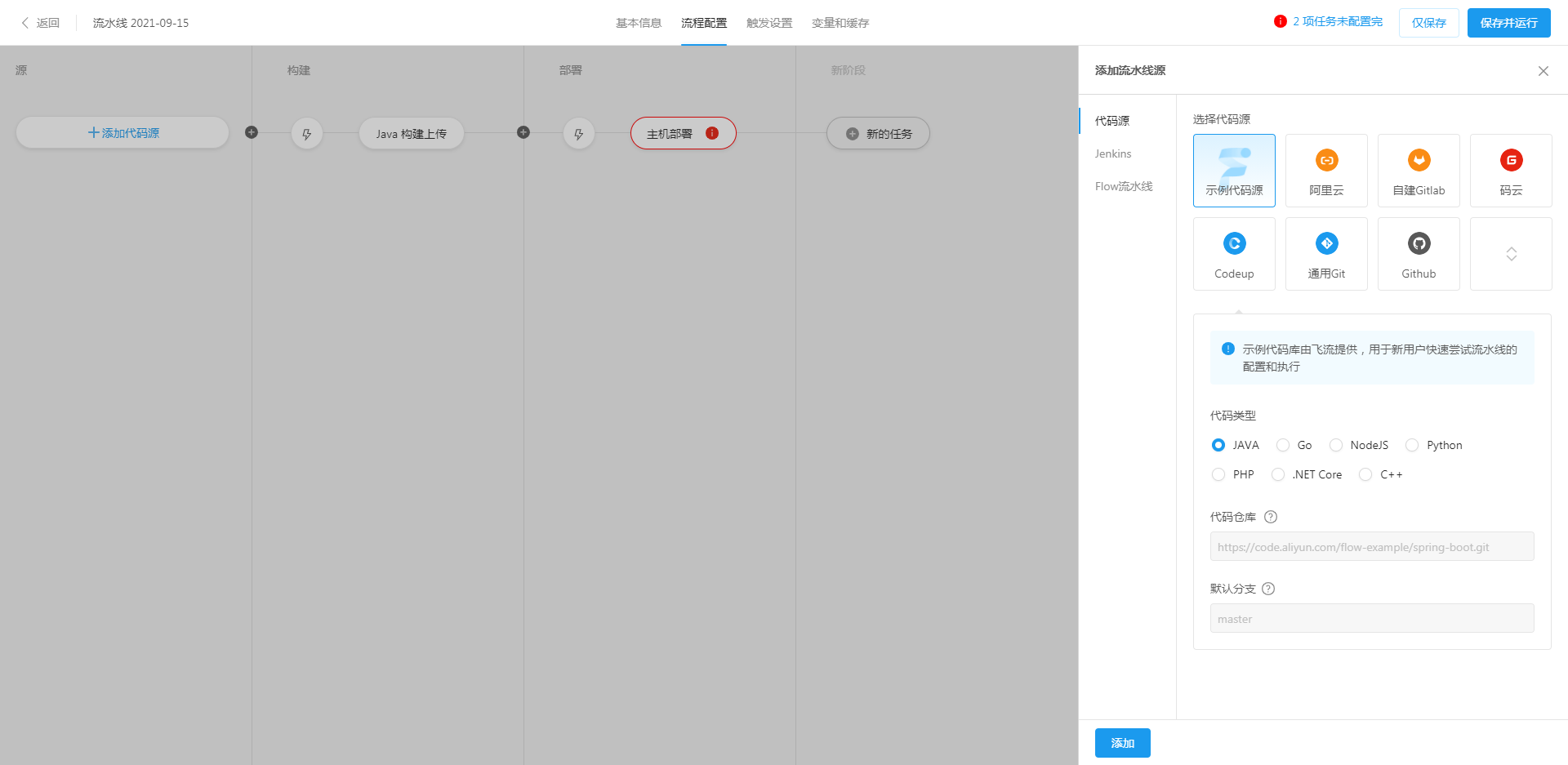
Alibaba Cloud DevOps also ships a rich set of pipeline templates with visual guidance, so you build a pipeline fast.
Team Permissions Comparison
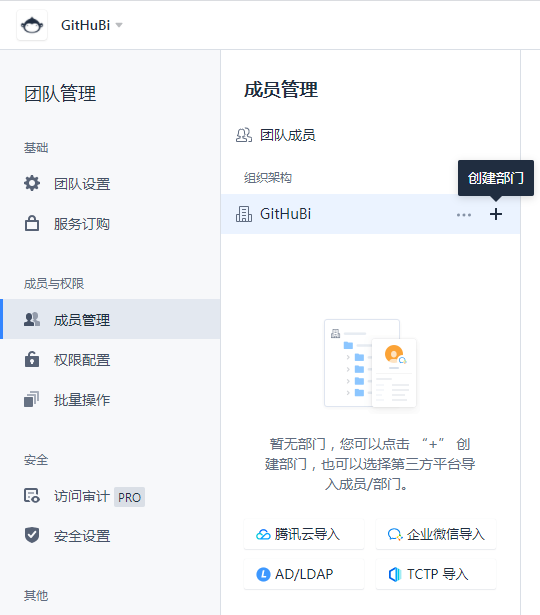
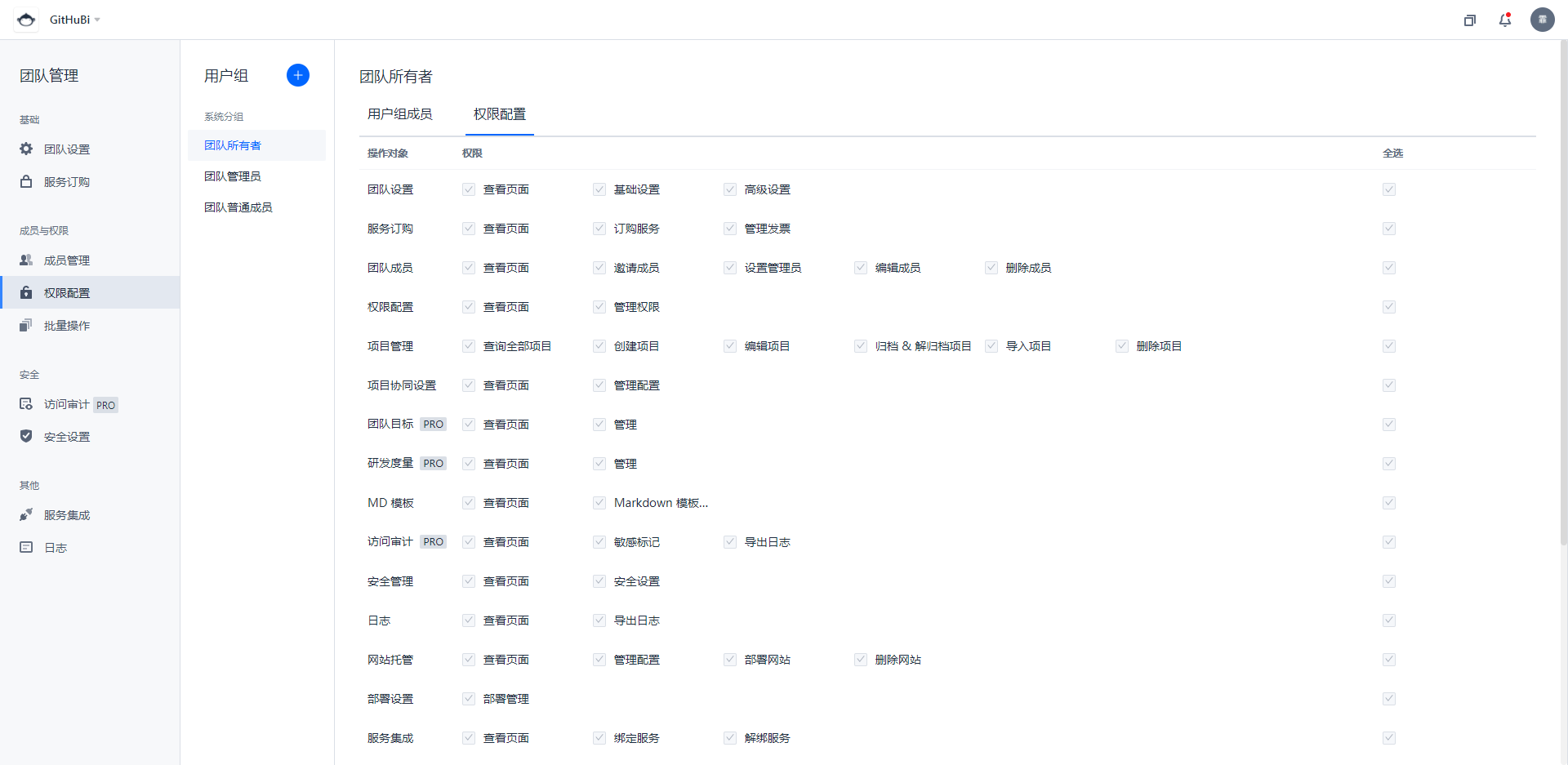
Short version: JiHu is virtually identical to GitLab — Guest, Reporter, Developer, Maintainer, Owner. Simple and blunt. You manage hierarchy through groups and subgroups. Coding lets you define an org structure, user groups, and fine-grained permissions per group, which fits the messy internal structures of Chinese companies.
Suggestion for JiHu: none here. Permission management is complicated enough; pushing it further would fork you away from GitLab.
Coding vs. JiHu
Coding supports organization management, custom user groups, and detailed per-group permissions.
JiHu inherits GitLab’s permission model wholesale — those few roles, no customization: https://jihulab.com/help/user/permissions
Alibaba Cloud DevOps vs. JiHu
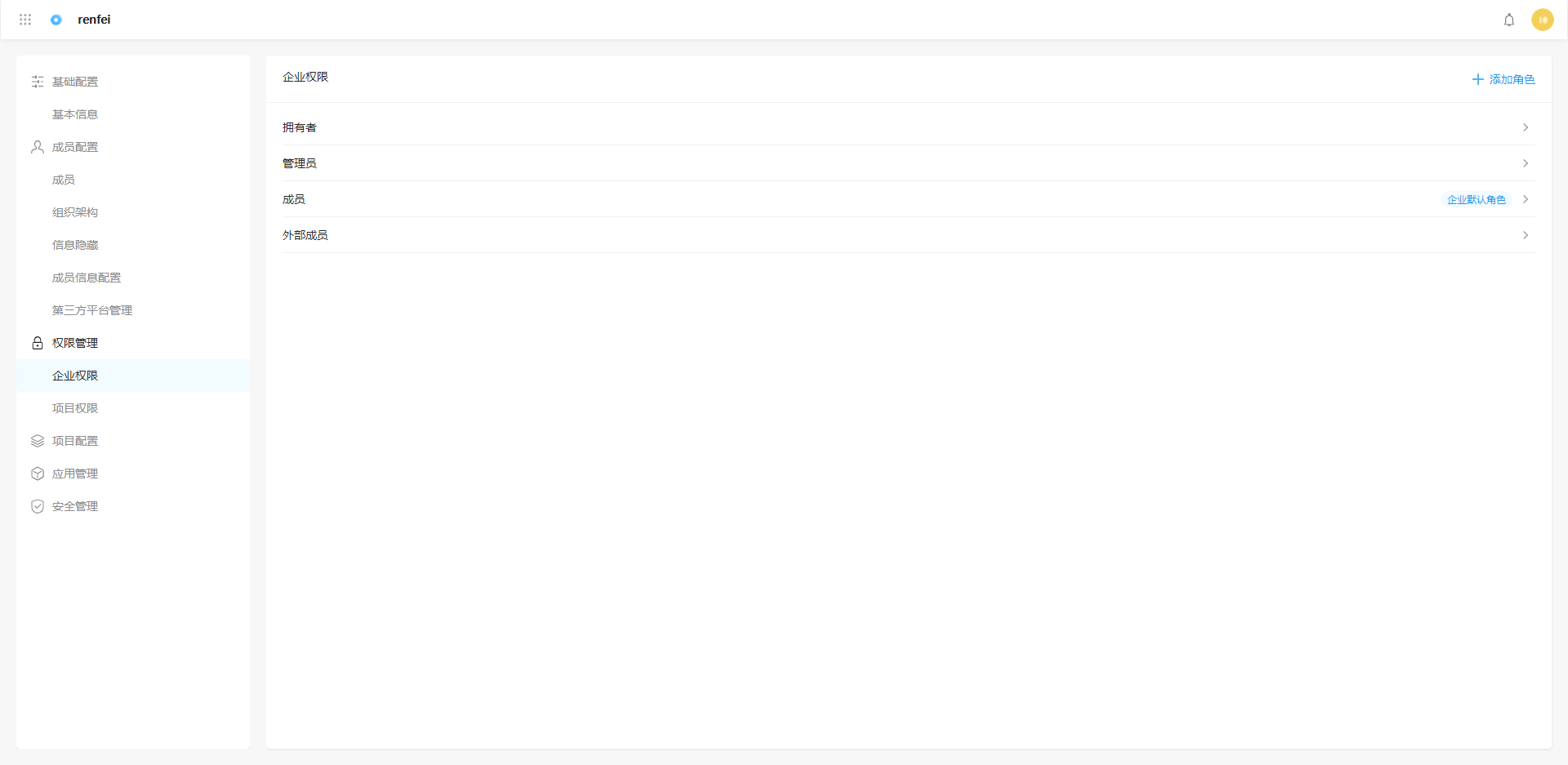
Alibaba Cloud DevOps goes further on org and permission management: org structure, user groups, roles, and custom permissions — much closer to how people here expect it to work.
Chinese Documentation Comparison
Short version: domestic platforms beat JiHu hands down, which is fair enough — they’re local products.
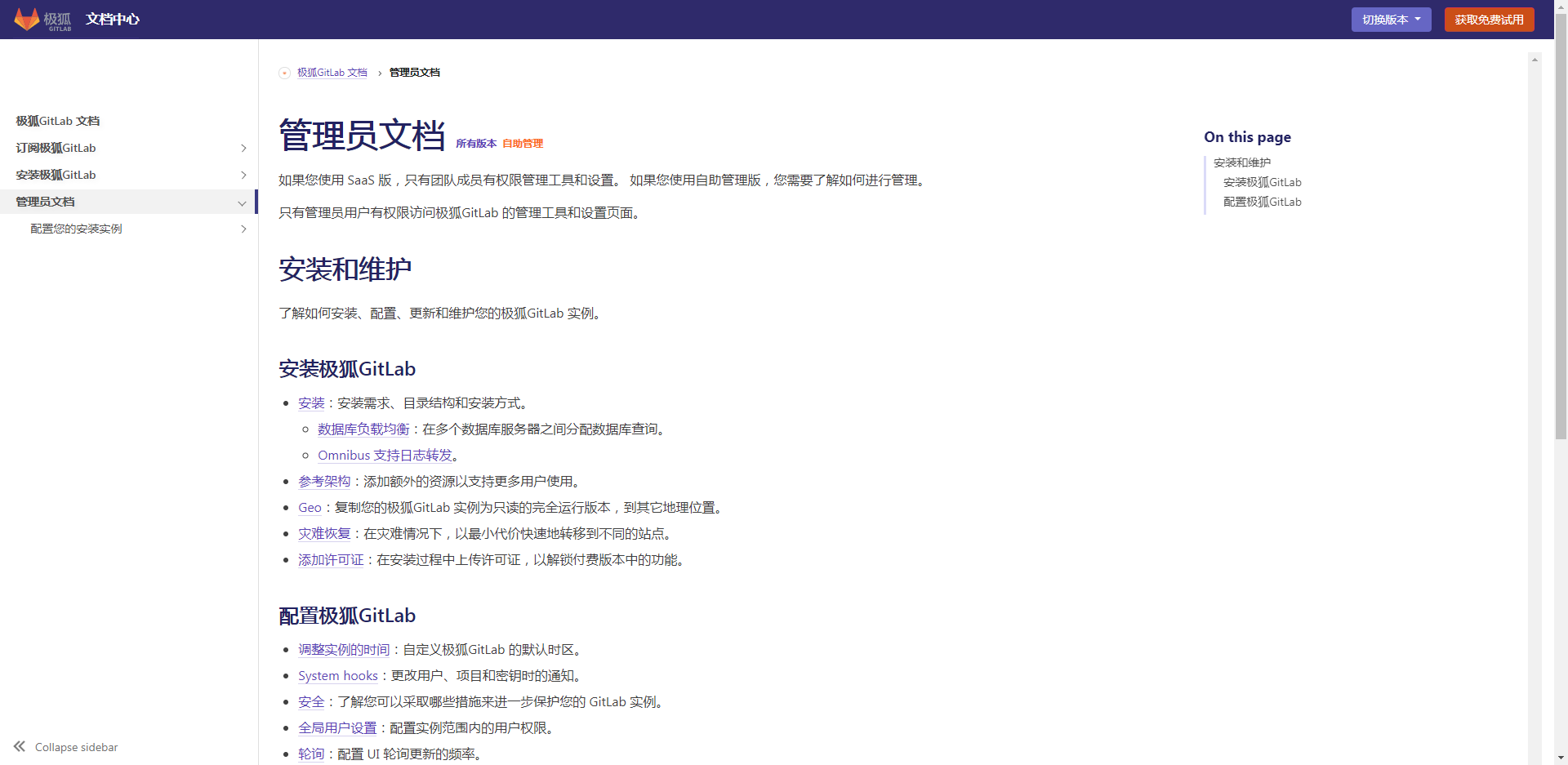
Suggestion for JiHu: if there’s too much documentation to translate, open a repo and let the community help. Right now the docs are either untranslated or machine-translated into gibberish, and the docs site has plenty of 404s.
Coding vs. JiHu
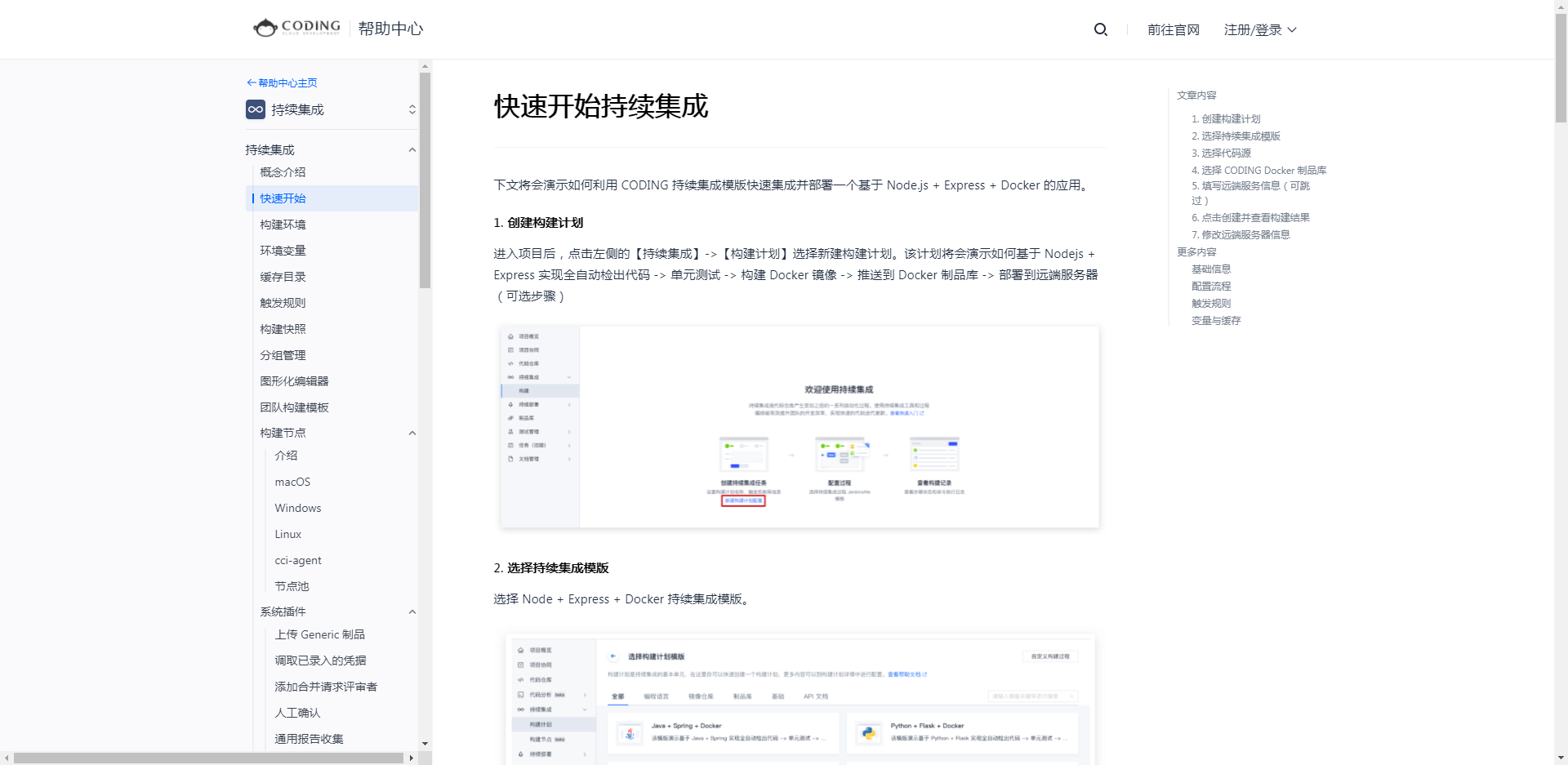
As a domestic product, Coding’s Chinese documentation is comprehensive and leaves JiHu in the dust — understandable, since JiHu has only just started.
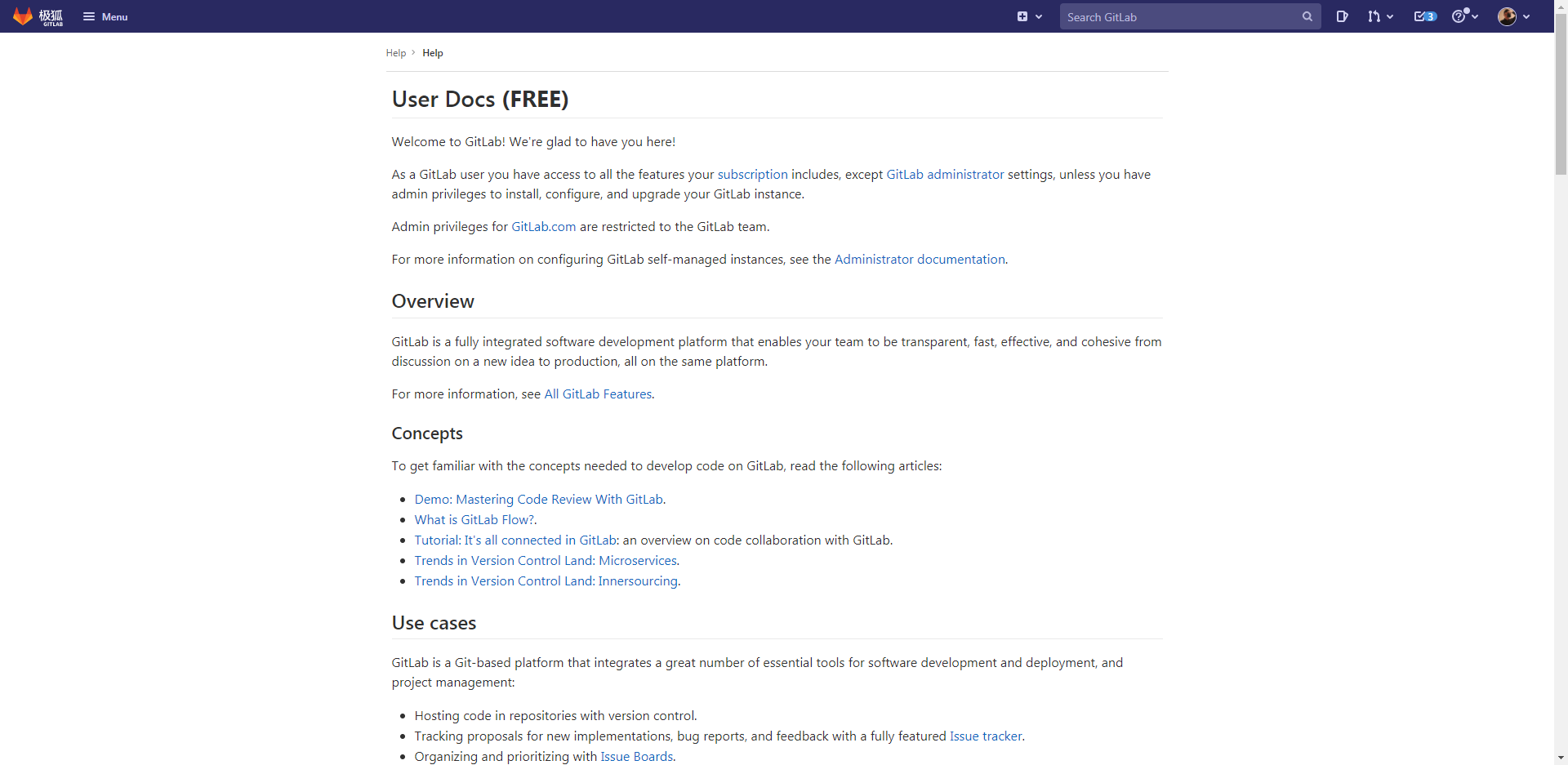
JiHu’s docs are either English-only, machine-translated, or missing entirely. There’s very little usable Chinese.
Alibaba Cloud DevOps vs. JiHu
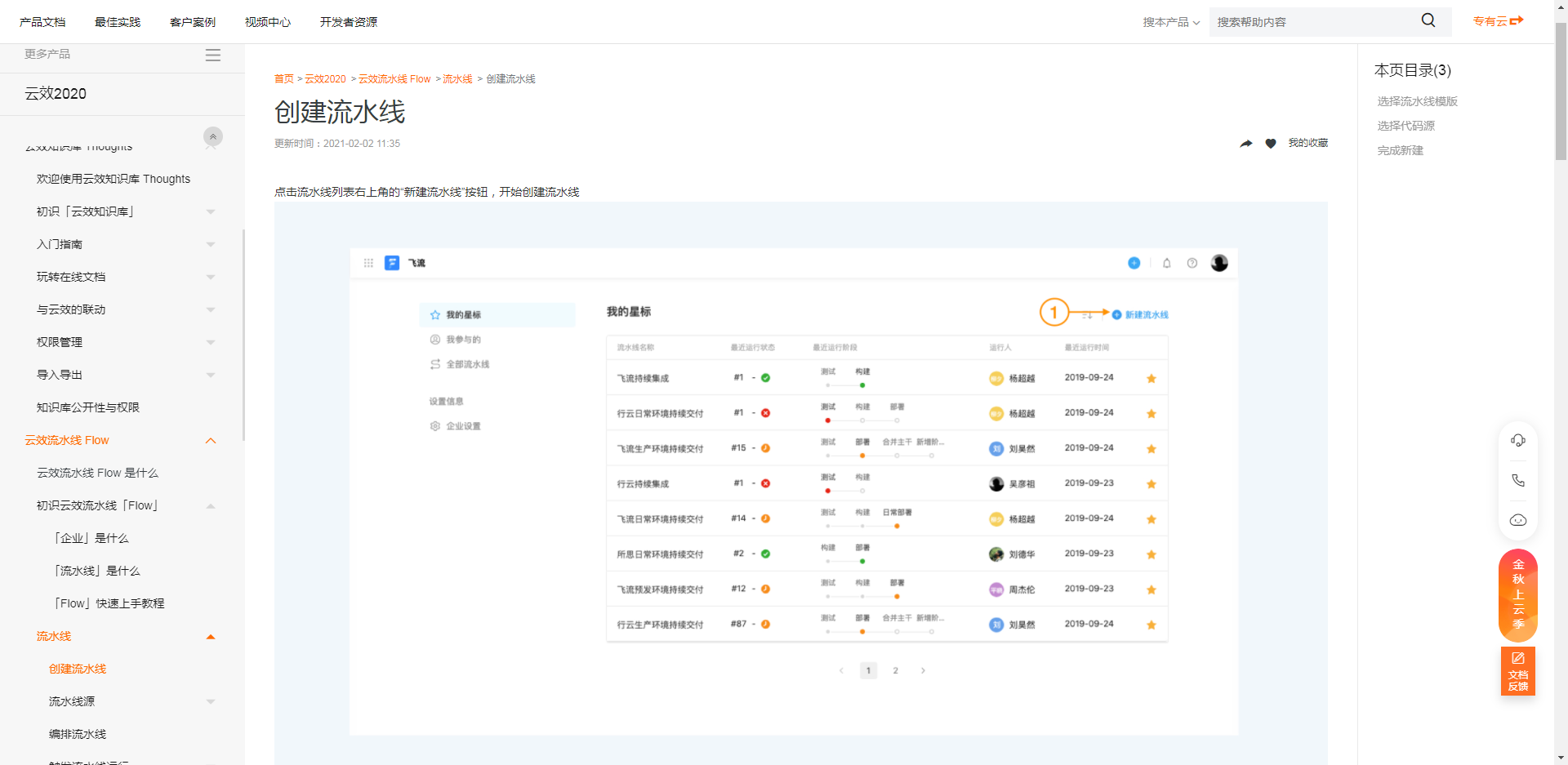
Backed by Alibaba Cloud, it has a huge documentation library and knowledge base covering nearly every product walkthrough you could need.
One More Suggestion
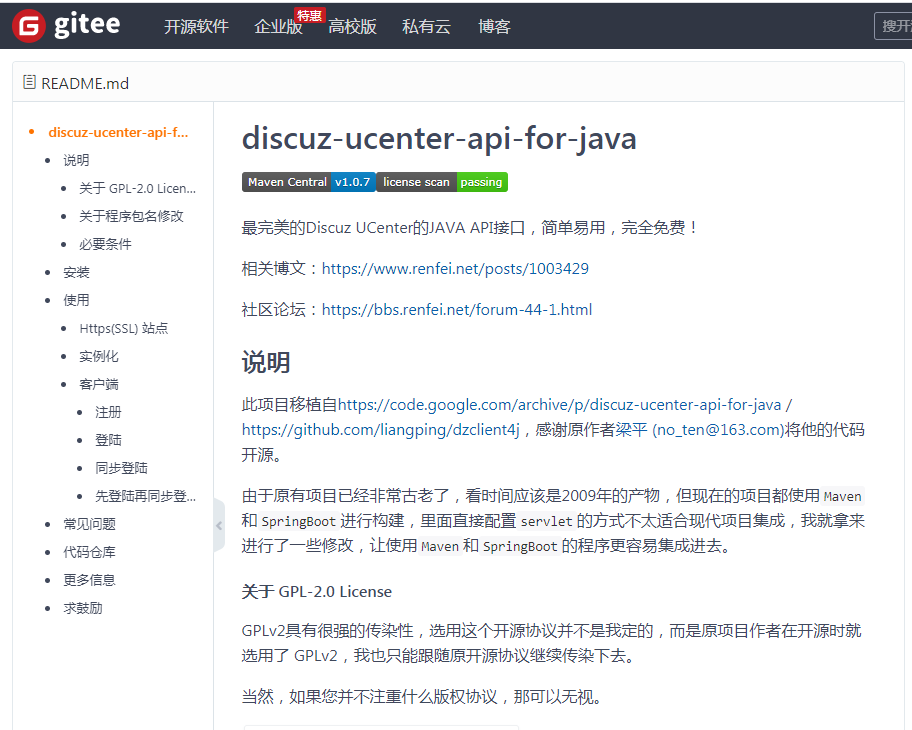
There’s a feature I like on Gitee: automatic table of contents for README.md, generated from heading levels in a sidebar. Nice idea — worth borrowing.