
In daily use the author found the USB drive transfer speed very slow — write at only 4MB/s and read at only 10MB/s — even though the drive has the blue USB 3.0 port. Why so slow? So I started exploring USB drives.
Standard USB Transfer Rates
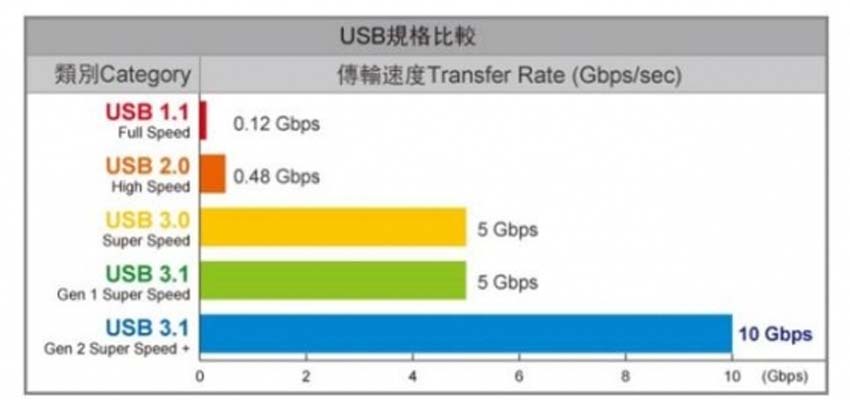
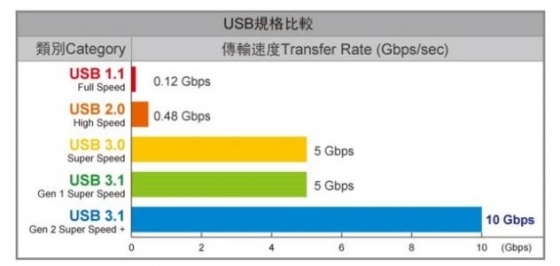
Per the standard USB transfer-rate table, the speed tiers should be:
-
USB1.1: 0.12 Gbps (15 MB/s)
-
USB2.0: 0.48 Gbps (60 MB/s)
-
USB3.0: 5 Gbps (625 MB/s)
-
USB3.1 (Gen1): 5 Gbps (625 MB/s)
-
USB3.1 (Gen2): 10 Gbps (1250 MB/s)
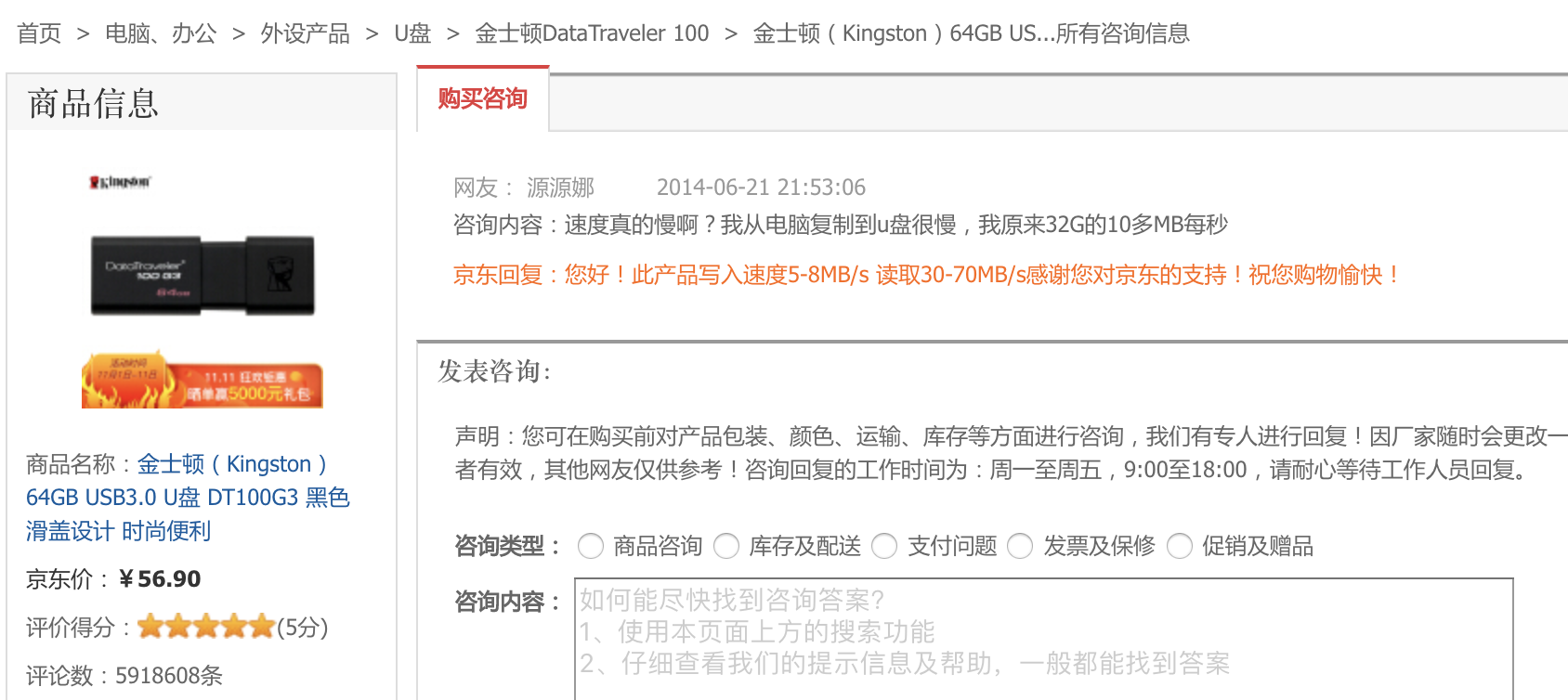
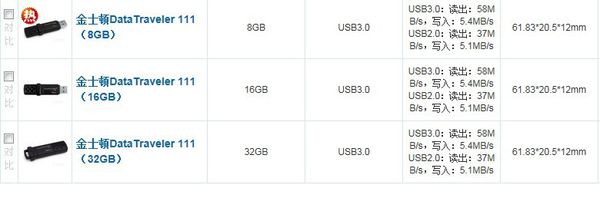
The USB 3.0 drive’s speed is far below the port’s rated speed — did I plug into the wrong port? I went online to look up the specs of the USB drive I use, a Kingston DataTraveler, and found the following info:
The Current State of USB Drive Makers
Kingston, SanDisk, Toshiba — almost all the big brands use TLC chips because of price wars, and neither lifespan nor speed is satisfactory. Flash memory comes in SLC, MLC, eMLC, and TLC:
-
TLC (Triple-Level Cell) is the cheapest, storing 3 bits per cell, typically used in consumer electronics with relatively low performance and durability requirements.
-
MLC (Multi-Level Cell) stores 2 bits per cell. Storing multiple bits per cell seems to use space well and gives more capacity in the same area, but at the cost of lower lifespan and reliability.
-
eMLC (Enterprise Multi-Level Cell) is an “enhanced” version of MLC NAND flash that narrows the performance and endurance gap between SLC and MLC. eMLC drives cost more than MLC but far less than SLC.
-
SLC (Single-Level Cell) SSDs store 1 bit per cell, which improves durability, accuracy, and performance. For critical enterprise applications and storage services, SLC is the preferred flash technology — and of course it’s the most expensive.
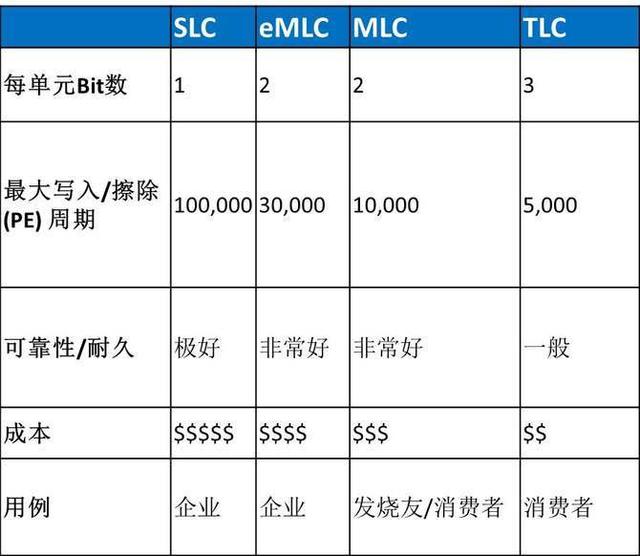
As the most common consumer storage device, and with vendors fighting price wars to make products cheaper, almost all popular USB drives use TLC, which makes speed and endurance poor.
Of course there are good products, but only among high-end ones — SanDisk CZ80, Kingston HyperX, and Lexar drives, for example. Quality costs more, so consider a high-end drive based on your daily use and budget.