
In everyday life online, we constantly need to sign up for websites, download resources, or try out services — and most of these platforms ask for an email address. Handing over your real inbox is convenient, but what follows can be endless marketing email or even a potential data leak.
That’s where temp mail comes in: a simple, effective, and free solution.
What is temp mail?
Temp mail — also called disposable or anonymous email — is an email service you can use for a short time, and once it self-destructs, the mail is untraceable.
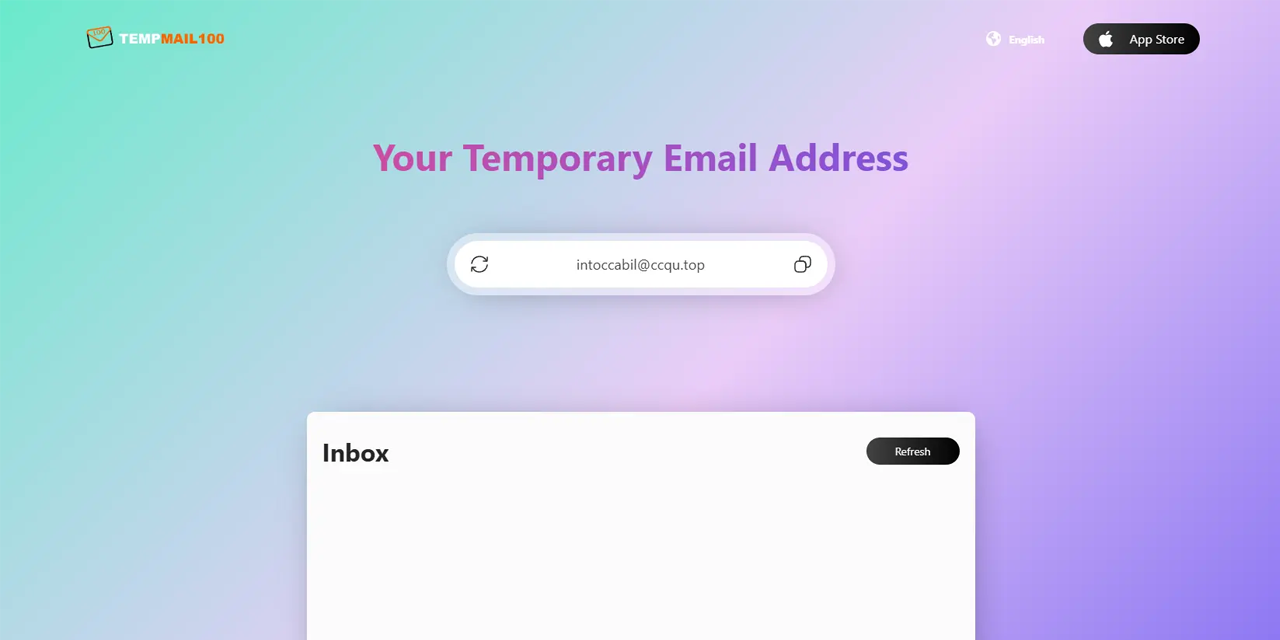
Unlike a regular inbox, it requires no registration and no personal information. Open the site and the system generates a random address that can receive mail right away.
For example, you visit a site offering a free trial and just want to read the content without giving up your real address — enter a temp mail address and you’re done. The mail is usually deleted automatically after a few minutes or hours.
Why use temp mail?
- Privacy protection. Temp mail lets you sign up for sites or fill in forms without exposing your real identity. No need to worry about your inbox being abused or leaked.
- Less spam. The flood of marketing email that follows registering for various services is a real headache. Temp mail isolates it.
- Quick and convenient. No registration, no password — one click to generate an address and start receiving mail. Perfect for one-off verifications or activation codes.
- Testing scenarios. For developers, designers, and QA folks, temp mail is handy for simulating user sign-ups or testing email delivery systems.
Common use cases
- Sign-up verification when trying out software or tools
- Downloading whitepapers or resources that require email verification
- Receiving one-off notifications or verification codes
- Participating in online surveys
- Logging into unimportant websites
Keep in mind that temp mail is not suitable for long-term use or storing anything important — once a message expires, the data is permanently deleted and unrecoverable.
Is it safe and reliable?
Overall, the safety of temp mail is relative.
- Pros: not tied to your real inbox, so no personal privacy involved.
- Cons: addresses are randomly generated, and depending on the provider’s model, anyone may be able to see mail sent to the same address.
So if you’re expecting email containing personal information or sensitive links, don’t use temp mail for it.
A temp mail service I recommend
Here’s the temp mail platform I use myself — simple, stable, and free:
Wrap-up
In an era where privacy matters more and more, temp mail is a handy little tool that lets you sign up fast and leave no trace.
It’s not a replacement for your main inbox — it’s a practical “anti-spam” and privacy assistant. Use it wisely, and your online life gets cleaner, safer, and more efficient.