

NetEase Tech, March 6 — according to foreign media reports, multiple app developers confirmed that Apple is “blocking” applications related to the novel coronavirus epidemic submitted by non-authoritative medical and health institutions, a move that appears aimed at stopping the spread of misinformation. Although the App Store has not announced hard rules for apps providing information about the novel coronavirus outbreak, four independent developers claimed their software was rejected for lacking certification from an official health agency or public entity.
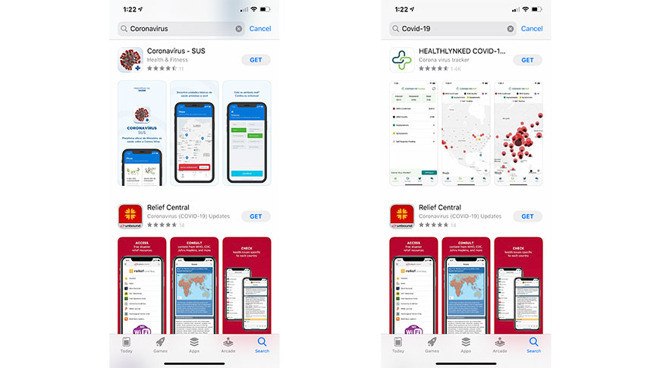
According to reports, Apple told one developer that all epidemic-related apps must be published by a health organization or the government. Another developer received an email saying, “Apps with current medical information need to be submitted by a recognized authoritative organization.”
Developers whose apps were rejected said Apple cited App Store rule 5.2.1, which states that “apps should be submitted by individuals or legal entities that own or have been authorized the intellectual property and other related rights.” In addition, Apple updated its rules to require that apps related to highly regulated fields be submitted by “the legal entity providing the service, rather than by an individual developer.”
Before Apple took steps to limit the spread of misinformation in the App Store, Amazon, Google, Facebook, and Twitter also took similar measures. (Xiaoxiao)